
MOZ 27 - A GARDEN AND FARM FOR THE YOUTH OF MANGUNDE

Project Location
The project takes place in the Mangunde mission, a rural region in the Chibava district of Sofala province. Most of the adult population is illiterate, and young women lack access to education due to lack of economic opportunities and the long distances they travel. According to the 2017 population census, the Chibava district has a total population of 135,202, with a young population (43% under 15), predominantly female, and predominantly rural.
The Mangunde region is very poor; people live on subsistence agriculture, with no prospect of steady employment due to the lack of factories and any public facilities. The only employees are school teachers and health center staff. Access roads are very poor, making transit difficult during the rains, the local market is very poor, and internet connections are very poor. The Mangunde mission operates a school for elementary school through grade 12.
Project description
During 2026, a significant increase in the number of young people attending boarding schools is expected. Until now, 10th-grade students could choose to continue their education through a technical-vocational course. With recent changes to the national education system, these students will now be required to continue their education at our center until 12th grade.
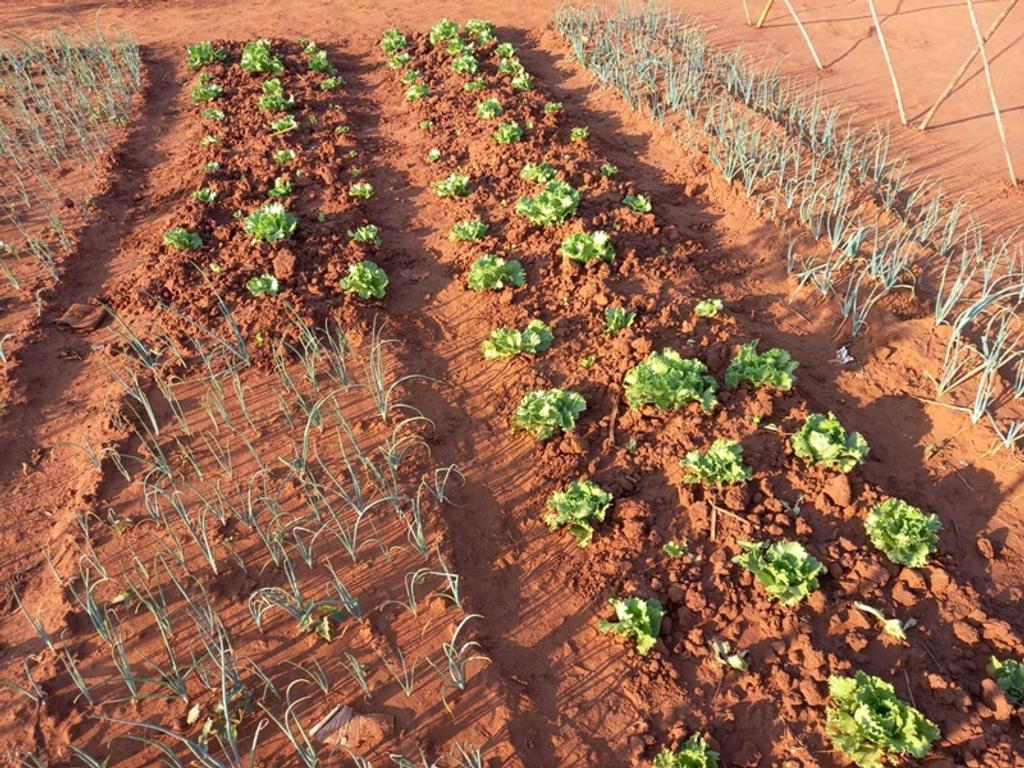
This new situation will mean that students will spend more time in boarding schools and, consequently, will increase their food costs. To meet this need, we propose launching a small integrated horticulture and animal husbandry project (chickens, goats, and pigs). The goal is to improve and diversify the young people's diets, while also promoting their practical training through the creation of a garden and a small animal farm, cooperative work, and environmental responsibility.
The following activities will be carried out:
- Soil preparation and organization of cultivation spaces
- Involvement of young people in the construction of small structures for animals
- Involvement of students in planting, irrigation, harvesting, and composting
- Theoretical and practical training activities on animal care, feeding, and hygiene
- Creation of small groups of students responsible for each sector
- Involvement of local teachers and technicians for monitoring and supervision
Objectives
- Enrich the youth's diet with fresh, protein-rich products (vegetables, eggs, meat)
- Reduce food costs for the boarding school
- Provide hands-on educational experiences in agriculture
- Develop values of collaboration and responsibility in young people
- Promote the economic and nutritional sustainability of the boarding school, reducing dependence on external suppliers
- Increase environmental awareness and social responsibility among students
Beneficiaries
Direct: 200 young people
Indirect: families and the rural community
Partecipazione locale
Each youth from the District pays a tuition fee of 4,100.00 MT, while those from the city pay 6,500.00 MT per term. Everyone contributes daily to cleaning the boarding school: dormitories, dining hall, kitchen, and garden; and they also search the forest for firewood for cooking.
Referent sister of the project: Sr. Marie Lucie Tokoyo Buna
Project's costs