
KE 19 – HOPE IN ECO-ACTION
Project Location
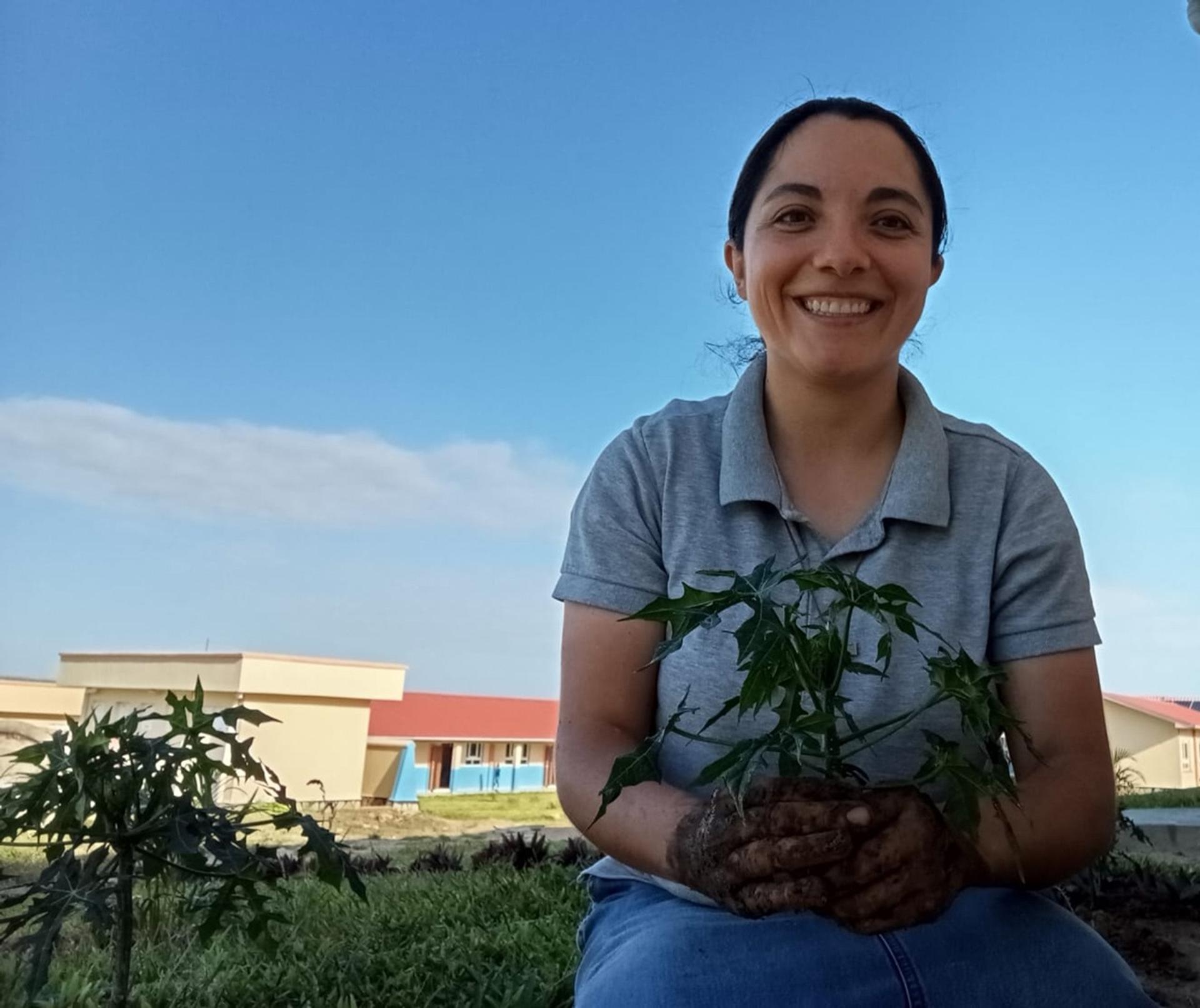
The project is taking place in Adu, a village close to the coast, located in Kilifi County, Kenya. It is a mission established only few years ago, where the population is predominantly Giriama, who lives on cultivating cassava, corn, shepherd goats and selling charcoal.
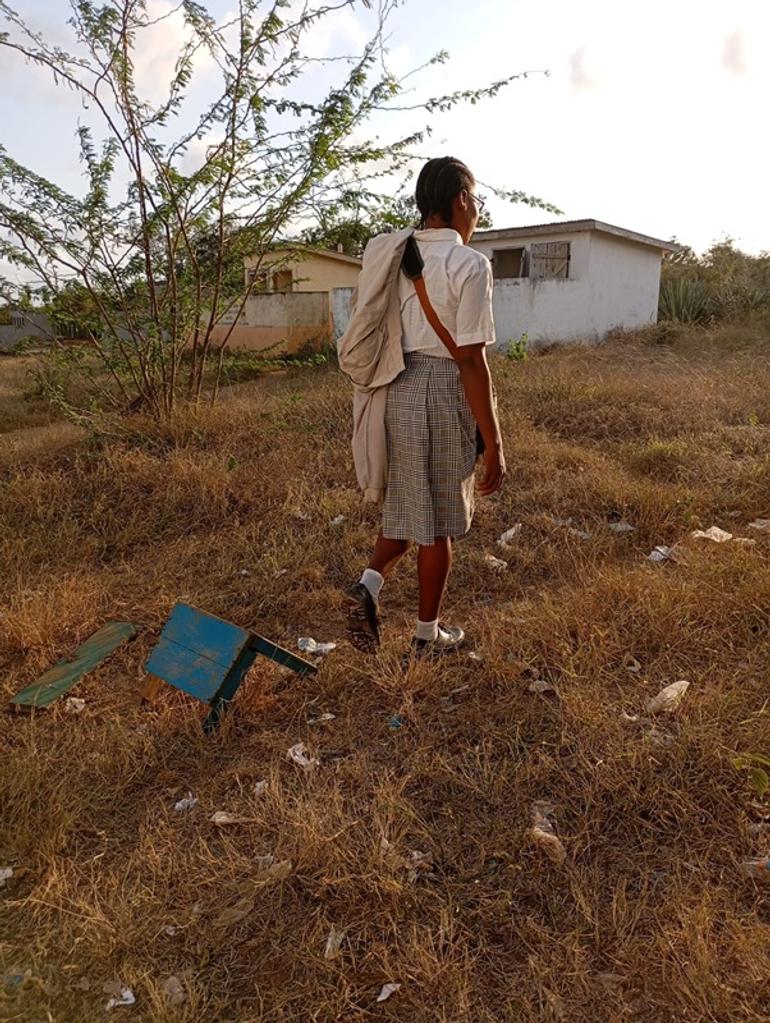
The population is increasing but unfortunately, environmental awareness and care for creation have not increased as much energy and food demands of this population, with clear effects of climate change caused by deforestation, inefficient waste management, and lacking crop rotation. This ultimately leads to a loss of soil fertility, unexpected crop performance, longer periods of drought and impacts on food security and the health of the people.
Project description
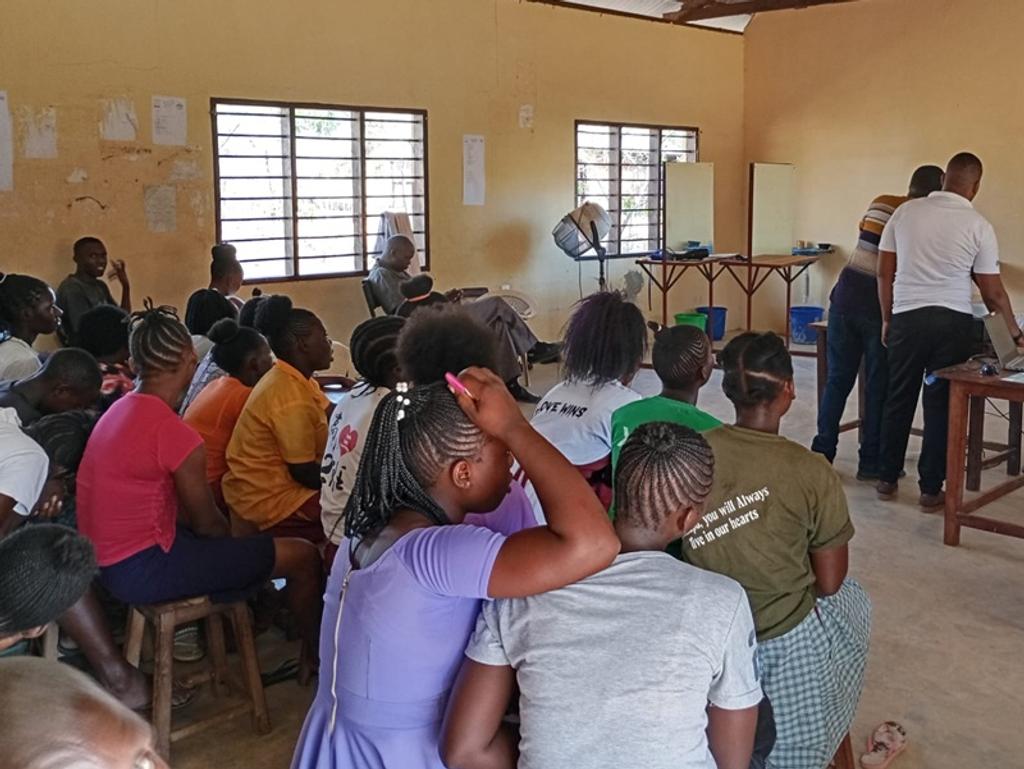
This project focuses on students learning about environmental stewardship, recycling and the importance of exploring alternatives of restoration and mitigation environmental impact through various activities such as the school and at home. The youth, ages 12 to 18, and their families in a collaborative effort where they will conduct research, classify recyclable materials at school and at home, develop new alternatives for reuse, recycling and developing environmental restoration by planting native plants and crops that help to mitigate the impacts of climate change.
The project will begin with a pilot program, involving representative groups from each educational institution, students who are strongly interested in learning and applying concepts of environmental education and care for our common home in their daily lives. Initially, we will work with groups of 20 students in each educational institution (one Primary, one Secondary and one Technical school) to ensure the project has a solid and efficient impact on the population of Adu, Kenya, with a view to periodic growth in the number of students and families directly involved.
The project will have three main phases. The first phase will be a phase of contextualization and awareness-raising about the environmental dynamics experienced by the students who will be part of the pilot groups in schools and homes, which will include visits to the families of students living in Adu. As a starting point, main topics will be developed: climate change, efficient use of water resources and energy, proper management of solid waste, reforestation, sustainable agriculture.
The second phase will be an analytical phase of the results obtained from the previous phase, and students will begin to propose suggestions and practical ideas, together with the experience of the sister in charge of the project.
The third phase will be a practical application phase, which will be a response to the second phase. The aim is to develop eco-efficient practices and alternatives.
This project will allow them to apply their new knowledge of environmental stewardship in practical and meaningful ways, and it will promote among students and their family’s awareness of the connection between their relationship with creation, humanity, and God. Promoting moral uprightness, responsible citizenship, and maturity among the students and emphasizing the importance of taking concrete actions to improve their environmental reality, responding to Pope Francis`s Encyclical” Laudato Si” deeply connected with the well-being of their people and the planet, our common home, starting from their schools and homes.
As a responsible for the project I will be working as a teacher, giving classes during the week, checking constantly the process of the practical initiatives in the school. Guiding environmental awareness, the efficiency of the implementation of eco-efficient alternatives such as tree planting, solid waste management and sorting, etc. Also on weekends, I will go to visit the houses of the students involve in the small groups, accompanying parents to help students to practice the knowledge received in class at home. For this job I have budgeted a fee of around 130 euros per month.
Also, at different stages of the project, external facilitators will be invited to reinforce the thematic content analyzed. The basic idea is to start by impacting the population of Adu Centro and then expand the project to outstations and surrounding villages. Eventually, in the future, the students, after receiving environmental training, can become trainers for the new emerging groups.
Objectives
- Promote the importance of environmental awareness, care of creation and comprehensive care of relationships
- Develop activities that allow for the identification and reuse of recyclable materials, environmental restoration and sustainable agriculture
- Promote the holistic development of young people and their families in schools and at home
Beneficiaries
Direct: 60 students
Indirect: their families and society in general
Local Contribution
- Collaboration with principals and teachers from various schools, where we accompany the PPI program and the YCA association, as Comboni Missionary Sisters in Adu, the outstations and surrounded areas. Principals and teachers will facilitate the use of some school spaces for some projects activities
- Active participation of some leaders among the students, through cooperation in the development of some activities
- Parents, through their support to the students in implementing new environmental concepts at home and being open to receiving advice on environmental issues related to the projects at home
- Some facilitators in environmental sustainability, agriculture, climate change and waste management through some educational workshops.
Referent sister of the project: Sr. Paola Andrea Velasco Uruena
Project's costs