
ETH 19 - MANDURA SCHOOL: A NEW DAWN
Project Location
Benishangul-Gumuz is one of Ethiopia's eleven regions and is divided into three zones: Metekel, Assosa, and Kamashi. Eighty-six percent of the population of approximately 600,000 lives in rural areas, where pastoralism and agriculture are practiced. School attendance hovers around 29% in urban areas, falling to 9% in rural areas. One of the most notable characteristics of Benishangul-Gumuz is the coexistence of three ethnic groups: Agaw, Gumuz, and Amhara. The lack of natural resources has always led to fierce rivalry between these groups, making the region unstable and dangerous.
The Comboni Missionary Sisters have been present in the Metekel area since 2000, invited by the Cardinal of Addis Ababa, in the village of Kuter Huret, a couple of kilometers from the town of Mandura. In 2020, the conflict that erupted between Gumuz and Amhara in our area caused many deaths and the dispersal of the community. The clinic, the school, and our home suffered extensive damage, forcing the closure of our businesses.
Despite the difficulties, we managed to remain in the area, and over time, we repaired the damage and restarted pastoral, social, educational, and healthcare activities. In 2024, the kindergarten and primary school reopened, and the second school year after the conflict is now underway.
Project description
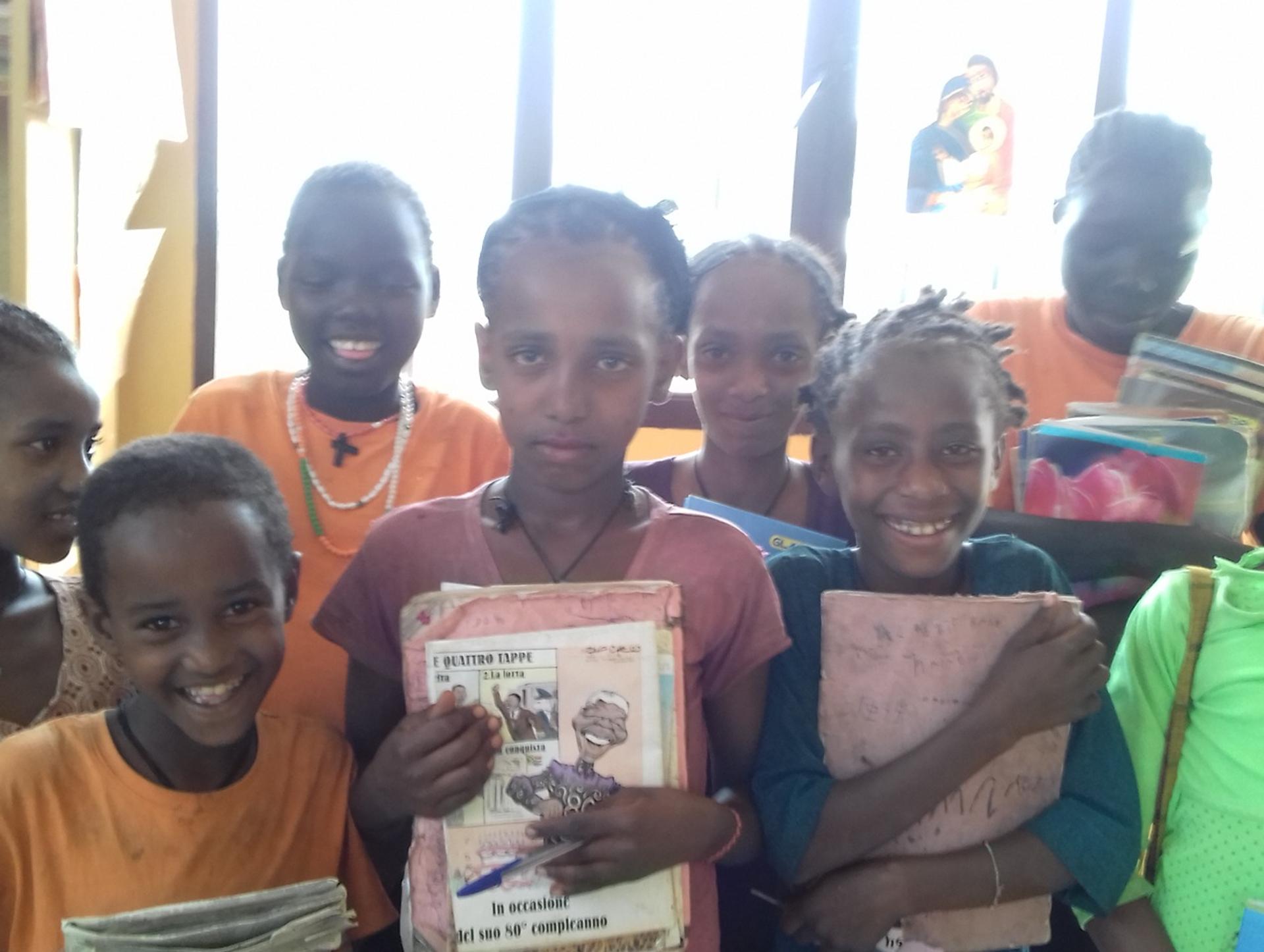
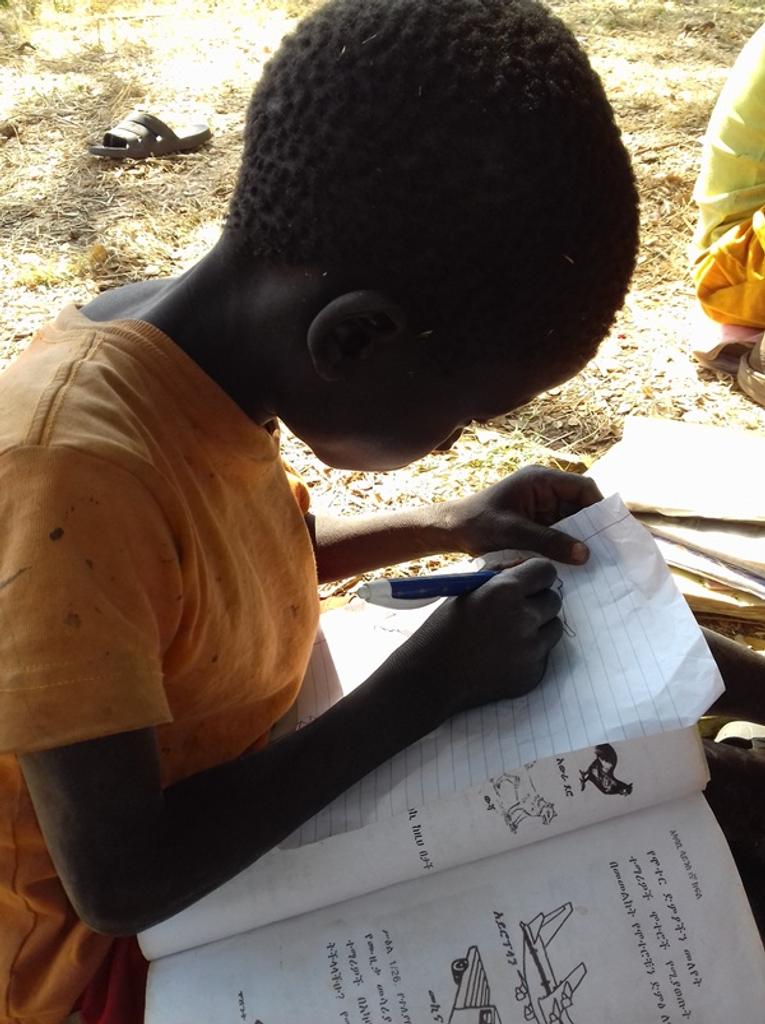
The Ethiopian school system includes three years of mandatory kindergarten, an eight-year primary school cycle, and a four-year secondary school cycle leading to university. The kindergarten and the New Dawn school cover part of this curriculum: from the first year of kindergarten to the sixth grade of primary school. This was already the case before the armed clashes of 2020: despite extensive awareness-raising efforts, school education—considered vital in most of Ethiopia—in the Benishangul-Gumuz region lacks significant cultural significance, and school attendance is very low, with a high dropout rate.
Children attending both kindergarten and primary school pay a small monthly tuition fee, insufficient to cover the costs of the eleven teachers and six auxiliary staff, which are entirely paid for by the school. With this project, we aim to ensure these children receive a quality, continuous education, covering the salaries of the teachers and auxiliary staff.
Additionally, we would like to continue the "teacher training" program we are running with the school's teachers. The aim is to support teachers in the surrounding areas who are trying to overcome the trauma of the recent violent period by sharing teaching methods or exploring other topics close to their hearts.
Finally, we would need to restore the school's kitchen (destroyed by the conflict), which had a traditional oven, to prepare snacks for the children but also to create a "tea shop," a small shop where people can have a simple breakfast, selling cakes and bread, with proceeds going to support the school itself.
Objectives
- Ensure quality education for the region's children
- Ensure effective implementation of all school activities
- Motivate teaching and non-teaching staff to provide necessary services
Beneficiaries
Direct: 70 kindergarten children and 500 elementary school children
Indirect: families and society
Referent sisters for the project: sr Manna Berhe e Sr Nives Battaglia
Project's costs